Screening and early detection focus on finding breast cancer as early as possible, often before symptoms appear. Routine screening can help detect breast cancer at an earlier stage, when treatment may be more effective and options may be broader.

Breast cancer screening refers to tests used to look for breast cancer in people who do not have any symptoms. The goal is to find changes early, sometimes before they can be felt, so that any follow up care can begin as soon as possible if needed.
Screening recommendations can vary based on age, family history, breast density, inherited risk, and personal medical history. A healthcare provider can help determine which screening plan is most appropriate for each person.
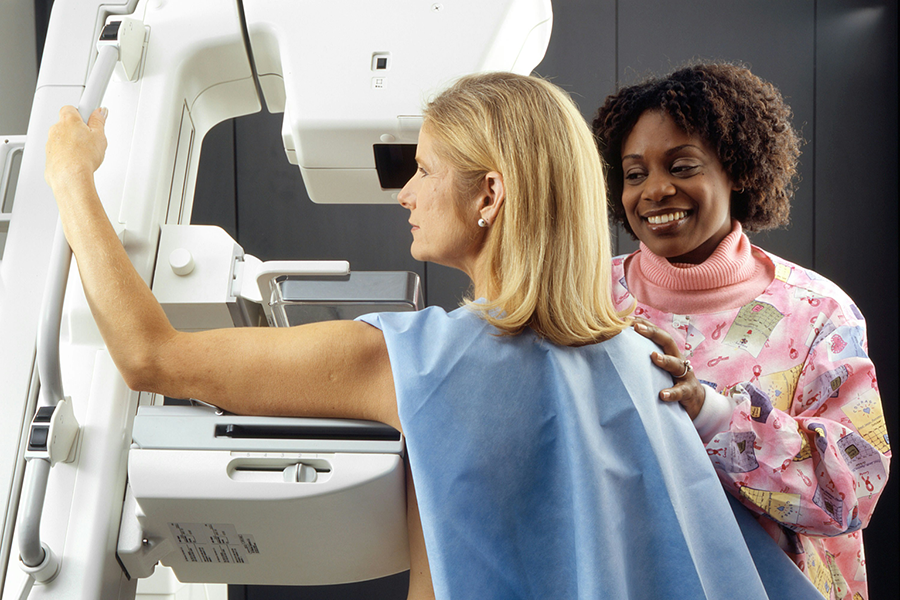
A mammogram is an X ray of the breast and is the main screening test used to look for breast cancer. Mammograms can often find breast cancer before a lump can be felt and before symptoms begin.
For women at average risk, the American Cancer Society says women ages 40 to 44 should have the choice to start annual mammograms, women 45 to 54 should get a mammogram every year, and women 55 and older can switch to every other year or continue yearly screening. Screening should continue as long as a person is in good health and is expected to live at least 10 more years.
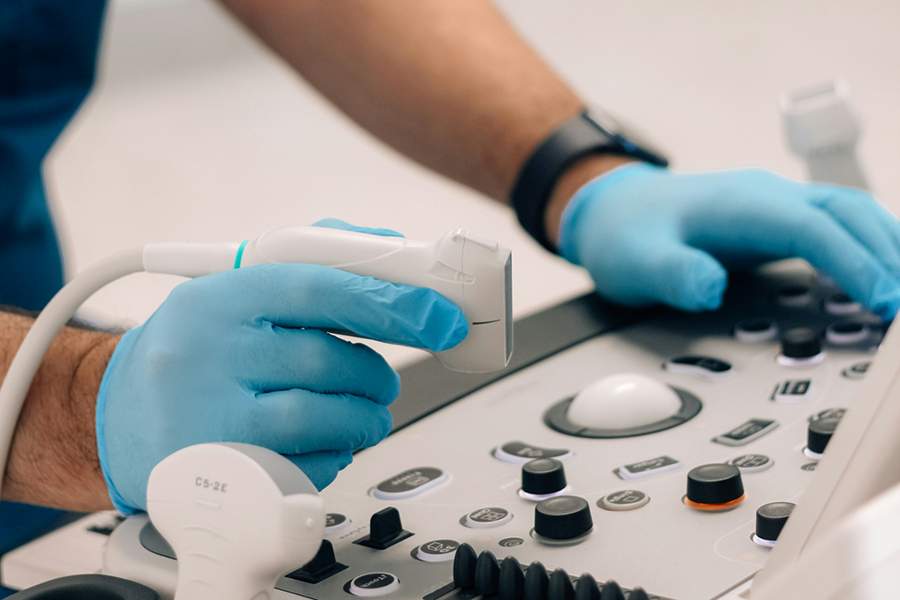
In some situations, additional imaging such as ultrasound or breast MRI may be recommended. These tests may be used to take a closer look at an area seen on a mammogram or to screen certain people who are at higher risk.
For some women at high risk, a screening breast MRI may be recommended along with a yearly mammogram. MRI is not used by itself as a replacement for mammograms, because mammograms can still find some cancers that MRI may miss.
Dense breast tissue is common and can make mammograms harder to read. Even with dense breasts, regular mammograms are still important, because most breast cancers can still be seen on a mammogram. People with dense breasts may also need to talk with their provider about whether any additional screening makes sense for them.

Breast awareness means being familiar with how your breasts normally look and feel. It is not a substitute for screening, but it can help you notice changes and bring them to a healthcare provider’s attention sooner.
Changes worth mentioning to a provider may include a new lump or thickening, swelling, skin dimpling or irritation, redness or flaking of the nipple or breast skin, nipple pain or discharge that is not breast milk, or a change in breast size or shape. Many breast changes are not cancer, but new or unusual changes should be checked.
There is no single screening schedule that fits everyone. When screening begins and how often it happens can depend on whether someone is at average risk or higher risk, along with factors such as age, family history, inherited gene changes, breast density, and personal health history.
The best next step is to talk with a healthcare provider about personal risk and the screening approach that fits that risk level.

Many breast cancers found through screening are detected before symptoms develop. Finding cancer earlier can lead to more treatment options and may improve outcomes.
Early detection does not guarantee a specific outcome, but it can help people move forward with more information and a clearer treatment path if something is found.
If a screening test shows something unusual, more imaging may be recommended. Many follow up findings turn out to be non cancerous, but additional testing helps doctors better understand what is going on.
If an area still looks suspicious after imaging, a biopsy may be needed. A biopsy is the only way to know for sure if cancer is present.
Conversations with a healthcare provider can help clarify when to start screening, how often to screen, whether extra imaging may be needed, and what to do if results are unclear. These conversations are especially important for anyone with dense breasts, a family history of breast cancer, or other factors that may increase risk.
Screening is a tool for early information, not a diagnosis. Many people who need follow up testing do not have breast cancer. Screening helps identify when a closer look is needed.
American Cancer Society, Breast Cancer Early Detection and Diagnosis American Cancer Society, ACS Breast Cancer Screening Guidelines American Cancer Society, Breast Cancer Signs and Symptoms American Cancer Society, Breast Density and Your Mammogram Report American Cancer Society, What Is a Breast MRI?