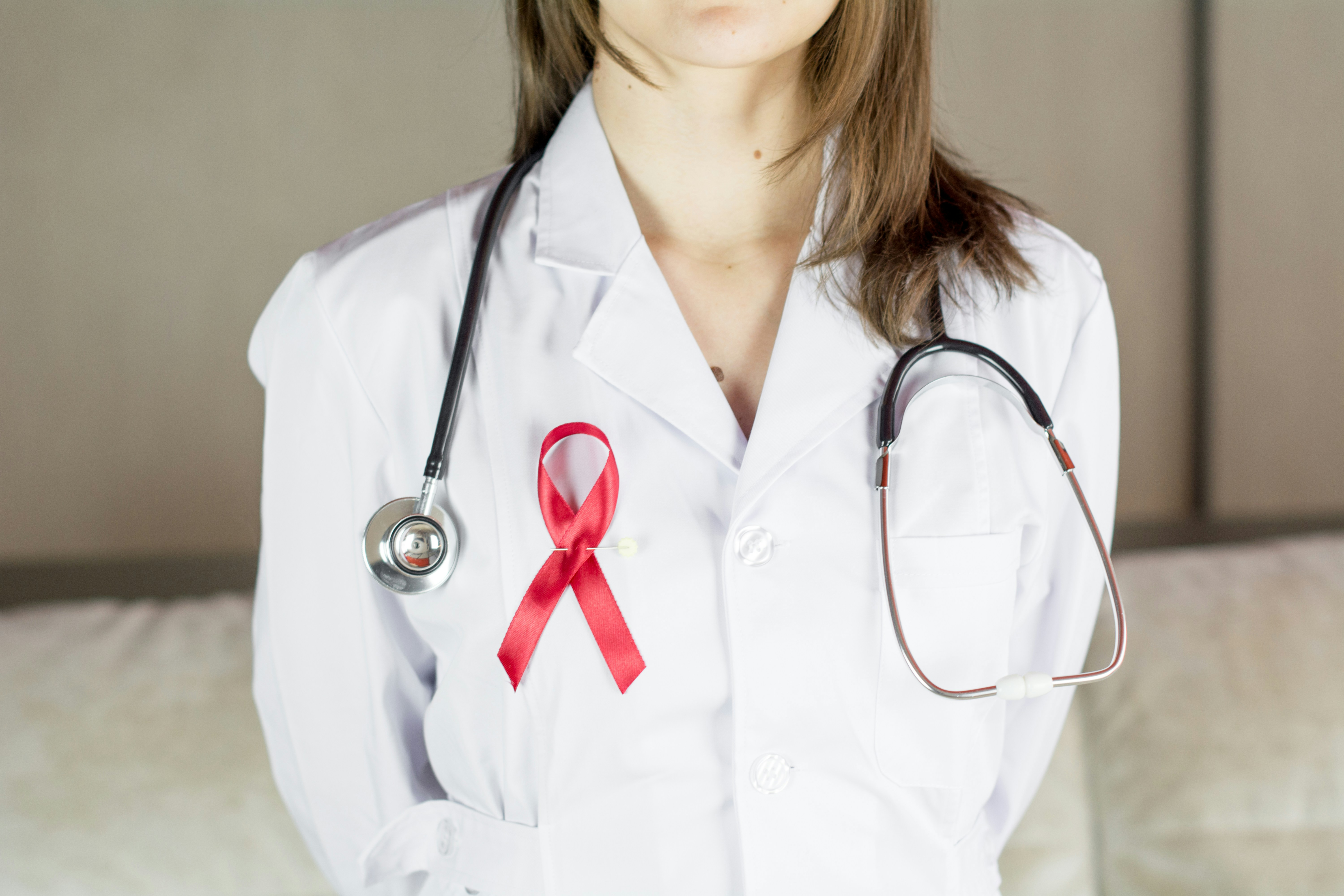
Breast cancer treatment is different for every person. Care plans are shaped by the type of breast cancer, its stage, whether it has spread, and specific features such as hormone receptor status and HER2 status. After treatment, survivorship focuses on follow up care, long term health, and support moving forward.

Treatment for breast cancer often involves a combination of therapies. Some treatments are local, meaning they treat the tumor in a specific area, while others are systemic, meaning they travel through the body to treat cancer cells wherever they may be.
Local treatments can include surgery and radiation therapy. Systemic treatments can include chemotherapy, hormone therapy, targeted therapy, immunotherapy, or other medicines based on the cancer’s features.
Surgery is a common part of treatment for many people with breast cancer. Depending on the diagnosis, surgery may remove only the tumor and a small amount of surrounding tissue, or it may involve removal of the entire breast. Lymph nodes may also be checked to see whether cancer has spread.
Radiation therapy uses high energy rays to target cancer cells in a specific area. It is often used after surgery to help lower the chance of cancer coming back in the breast, chest wall, or nearby lymph nodes.
Chemotherapy uses drugs that travel through the body to destroy cancer cells. It may be given before surgery to shrink a tumor or after surgery to reduce the risk of the cancer returning.
Some breast cancers grow in response to hormones such as estrogen or progesterone. For these cancers, hormone therapy may be used to block or lower the body’s hormone activity and help reduce the risk of recurrence.
Some breast cancers have specific features that can be treated with targeted drugs or immunotherapy. These treatments are used in certain cases and depend on the biology of the cancer.
Breast cancer treatment is not one size fits all. The stage of the cancer helps guide treatment decisions. In general, stages I through III often involve surgery, often followed by radiation, and many people also receive some form of drug therapy. Stage IV, also called metastatic breast cancer, is usually treated mainly with systemic therapies.
Doctors also look at tumor size, lymph node involvement, hormone receptor status, HER2 status, and other test results when building a treatment plan.
Survivorship focuses on health and life after a cancer diagnosis. For some people, survivorship begins after active treatment ends. For others, it may include living with breast cancer while continuing treatment or monitoring.
Survivorship can include follow up appointments, recovery from treatment, emotional adjustment, managing side effects, and building a plan for long term wellness.
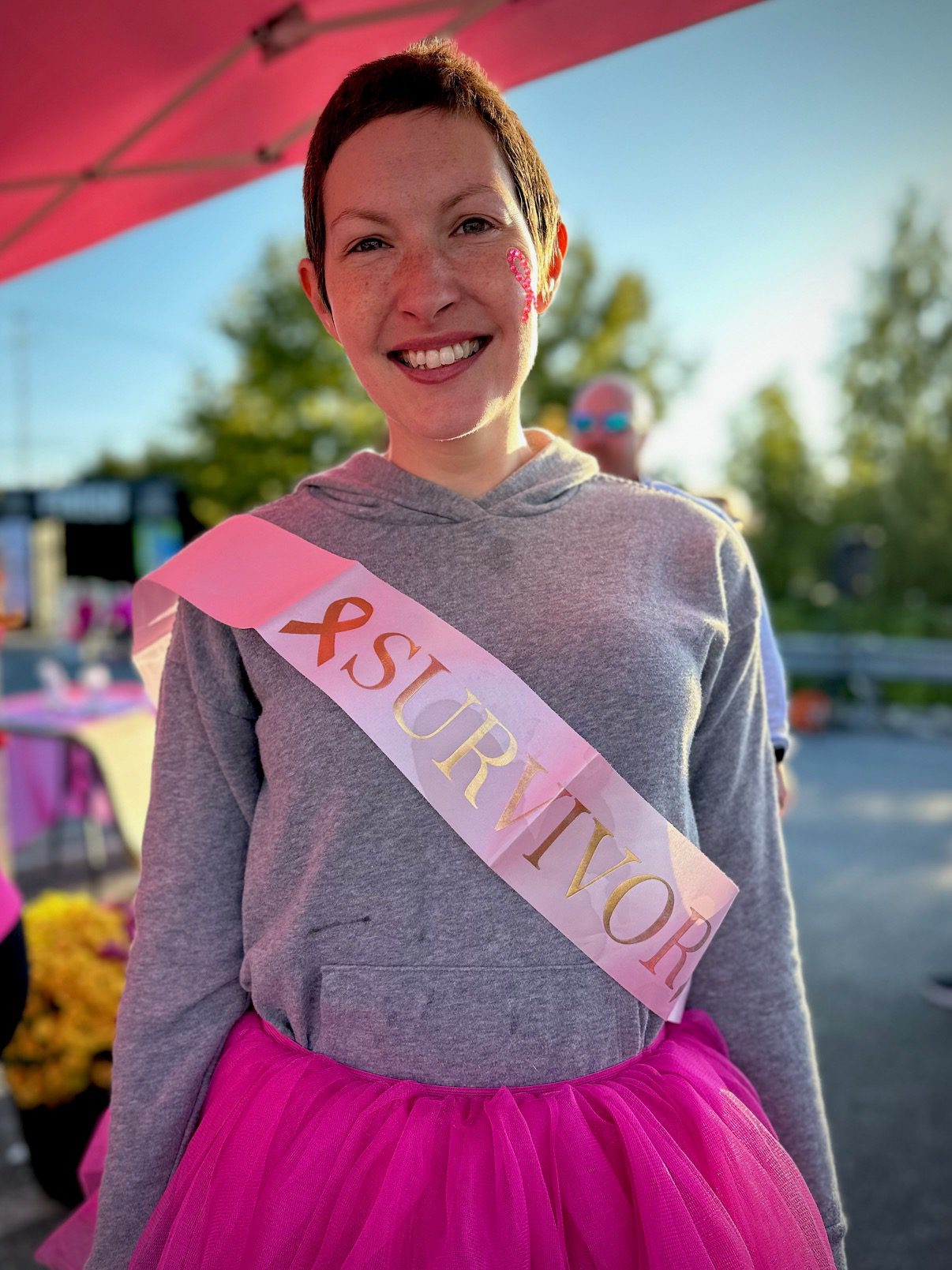
After treatment ends, regular follow up care remains important. Follow up visits may include physical exams, review of symptoms, mammograms when appropriate, and conversations about side effects or any changes in health.
The American Cancer Society also recommends asking your care team for a survivorship care plan, which can include details about past treatment, follow up schedules, and what to watch for going forward.
Life after treatment may bring relief, but it can also bring uncertainty. Many survivors continue to manage physical, emotional, and practical concerns after active treatment ends. These may include fatigue, body image changes, sexual health concerns, fear of recurrence, and questions about overall wellness.
Survivorship is not just about being finished with treatment. It is also about continuing care, support, and quality of life.
Staying as healthy as possible after treatment matters. The American Cancer Society notes that getting to a healthy weight, being physically active, and eating well may help lower the risk of breast cancer progressing or coming back, while also supporting overall health.
These habits do not guarantee a certain outcome, but they can be a valuable part of long term health after treatment.

For some people, breast cancer may come back after treatment or may be diagnosed at an advanced stage. In these cases, care often focuses on controlling the cancer, managing symptoms, and maintaining quality of life. Treatment may continue for longer periods and can change over time depending on how the cancer responds.
Support remains important at every stage, including medical care, emotional support, symptom management, and help navigating daily life.
Follow up care, support, and survivorship planning are all part of the breast cancer journey.
American Cancer Society, Breast Cancer Risk and Prevention American Cancer Society, Treatment of Breast Cancer by Stage American Cancer Society, Treatment of Breast Cancer Stages I to III American Cancer Society, Treatment of Stage IV Advanced Breast Cancer American Cancer Society, Living as a Breast Cancer Survivor American Cancer Society, Follow up Care After Breast Cancer Treatment American Cancer Society, Can I Lower My Risk of Breast Cancer Progressing or Coming Back?
This page is meant to provide general educational information and should not replace medical advice, diagnosis, or treatment from a licensed healthcare provider. For personal recommendations, always speak with your doctor or care team.